Suicide Loss Survivor Support

You Are Not Meant To Carry This Alone

Losing Someone to Suicide Changes the Shape of Life

Many survivors describe living with overwhelming grief, unanswered questions, shock, anger, guilt, numbness, confusion, or isolation. Some feel unable to talk openly about the loss. Others feel pressure to “move forward” before they are ready.

There is no correct timeline for grief after suicide.
There is no single right way to survive it.

Support can help create space for mourning, understanding, connection, and healing. Always one step at a time.
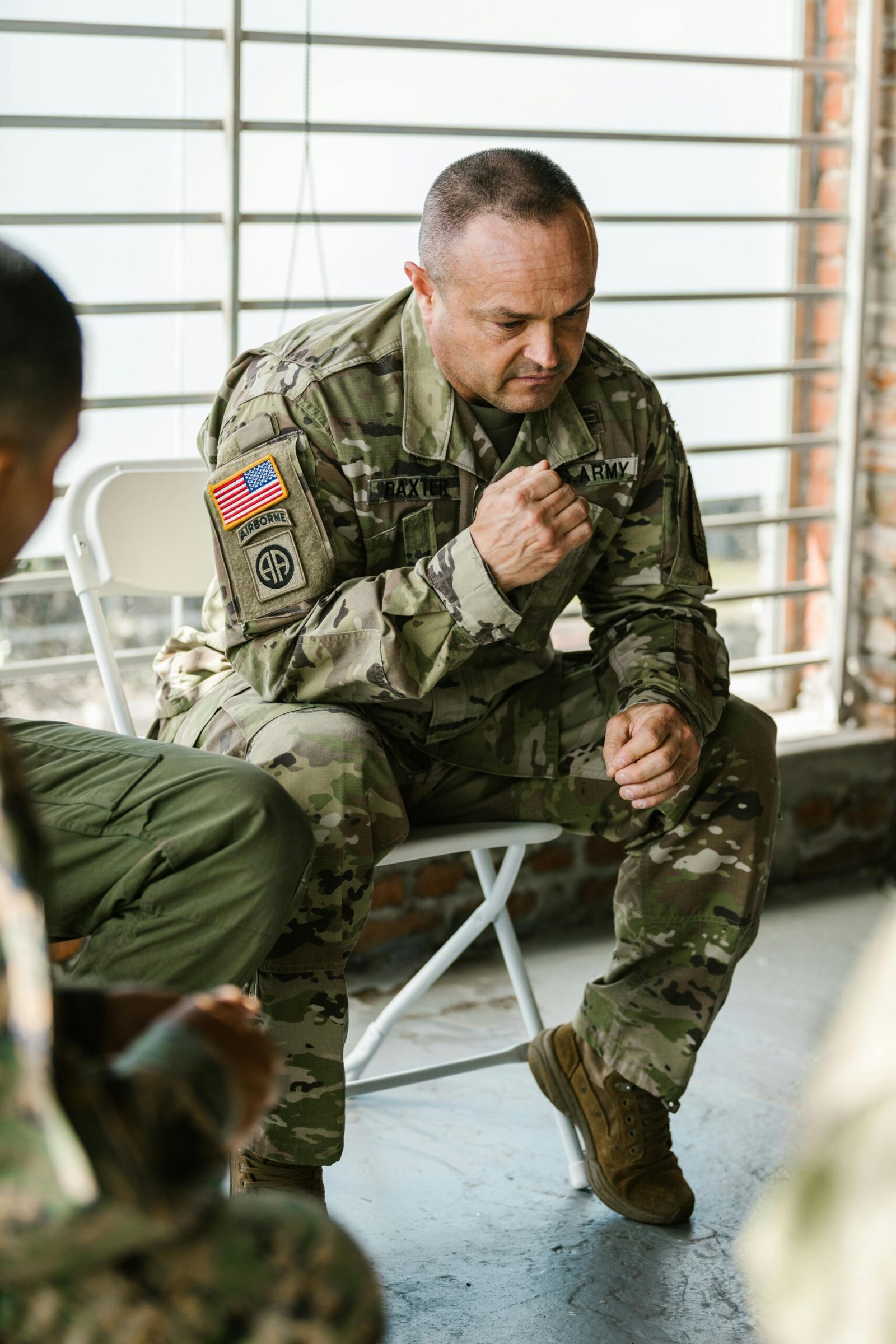

A military veteran in uniform participating in a group therapy session indoors.

Support for Suicide Loss Survivors

Support groups offer a space where survivors can speak openly with others who understand the unique realities of suicide loss — without judgment, stigma, or pressure to explain their emotions.

Groups may help survivors:

  • Feel less isolated
  • Share experiences safely
  • Process grief and trauma
  • Learn coping strategies
  • Navigate anniversaries and triggering events

Rebuild connection and hope

A glowing light box displaying 'I Miss You' in a dark setting, evoking emotion.

Grief Therapy After Suicide Loss

Suicide grief is often layered and complicated.

Alongside sadness, survivors may experience:

  • Intrusive thoughts or images
  • Difficulty sleeping or concentrating
  • Anxiety or panic
  • Anger toward themselves or others
  • Shame or stigma
  • Relationship strain
  • Spiritual questioning
  • Fear of further loss
  • Symptoms of traumatic stress

Therapy creates a confidential space to process these experiences with care and support.

The goal is not to erase grief or force closure.
The goal is to help survivors carry the loss with greater support, stability, meaning, and self-compassion.

beach, family, silhouettes, love, couple, nature, kid, family silhouette, sunset, india, kerala, dusk, twilight, shore, seashore, family vacation

Counseling for Families and Loved Ones

Suicide impacts entire family systems and communities.

Parents, partners, siblings, children, friends, classmates, coworkers, and caregivers often grieve differently — and at different speeds. Counseling can help families navigate:

  • Communication after loss
  • Conflicting emotions
  • Blame and guilt
  • Parenting while grieving
  • Memorial decisions
  • Returning to work or school
  • Supporting one another through anniversaries and milestones

Healing does not mean forgetting.
It means learning how to live alongside loss without being consumed by it.

A Trauma-Informed and Compassionate Approach

This work is grounded in empathy, respect, and emotional safety.

We recognize that suicide loss can affect the nervous system, relationships, identity, and sense of meaning. Care is offered gently, without judgment or assumptions about what grief “should” look like.